 Story Atom
 SpatialLang
 Morpheus Wire
 Lucid Lines
 Roll Ignition
The future of production
Blockbusterworlds.Withouttheblockbusterbudget.
Describe any world, step inside it and film it — from a small stage, or the room you're already in.
How we got here
Every era of film made production easier.
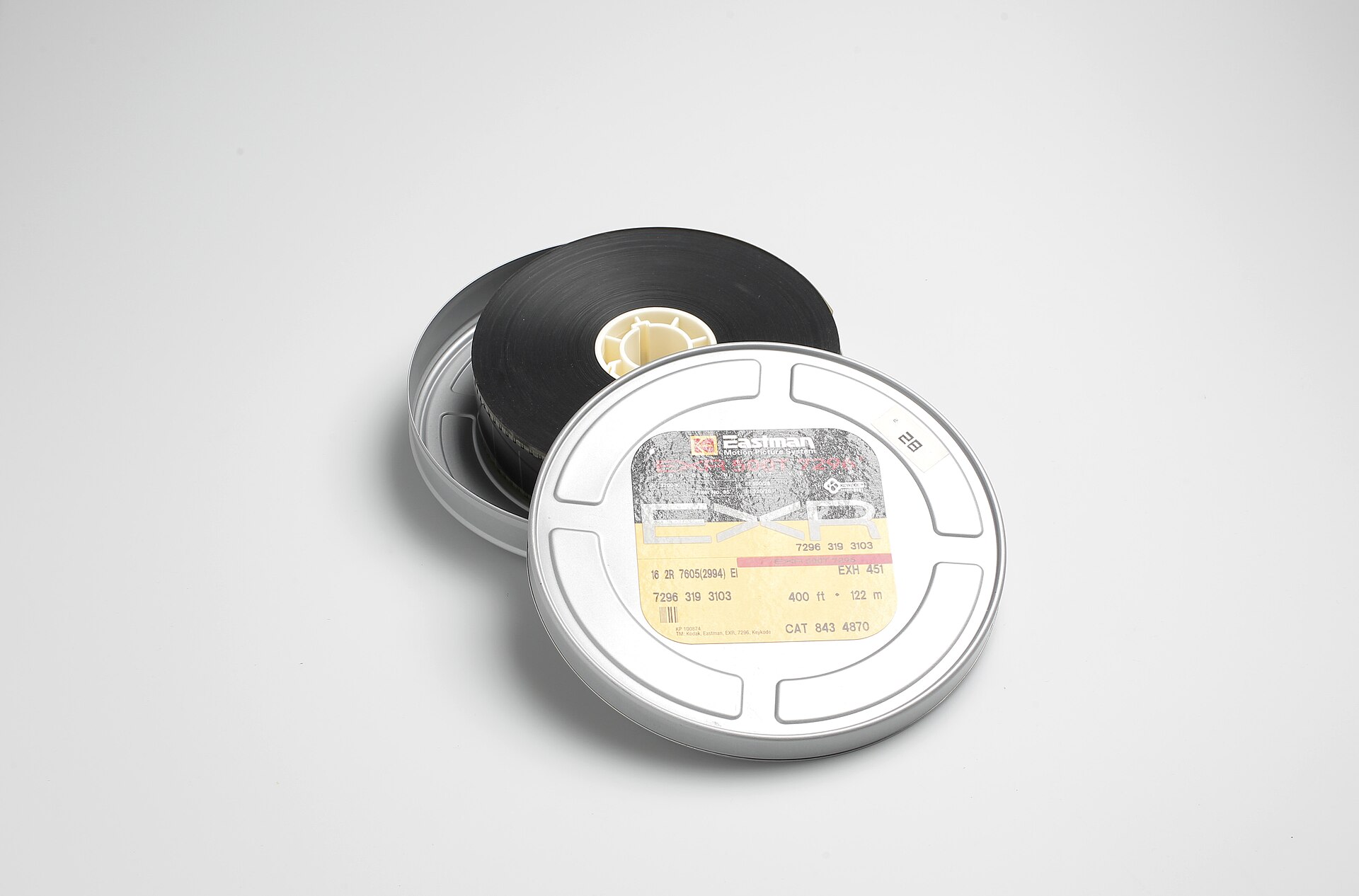
Celluloid
Light on film. Every frame physical.
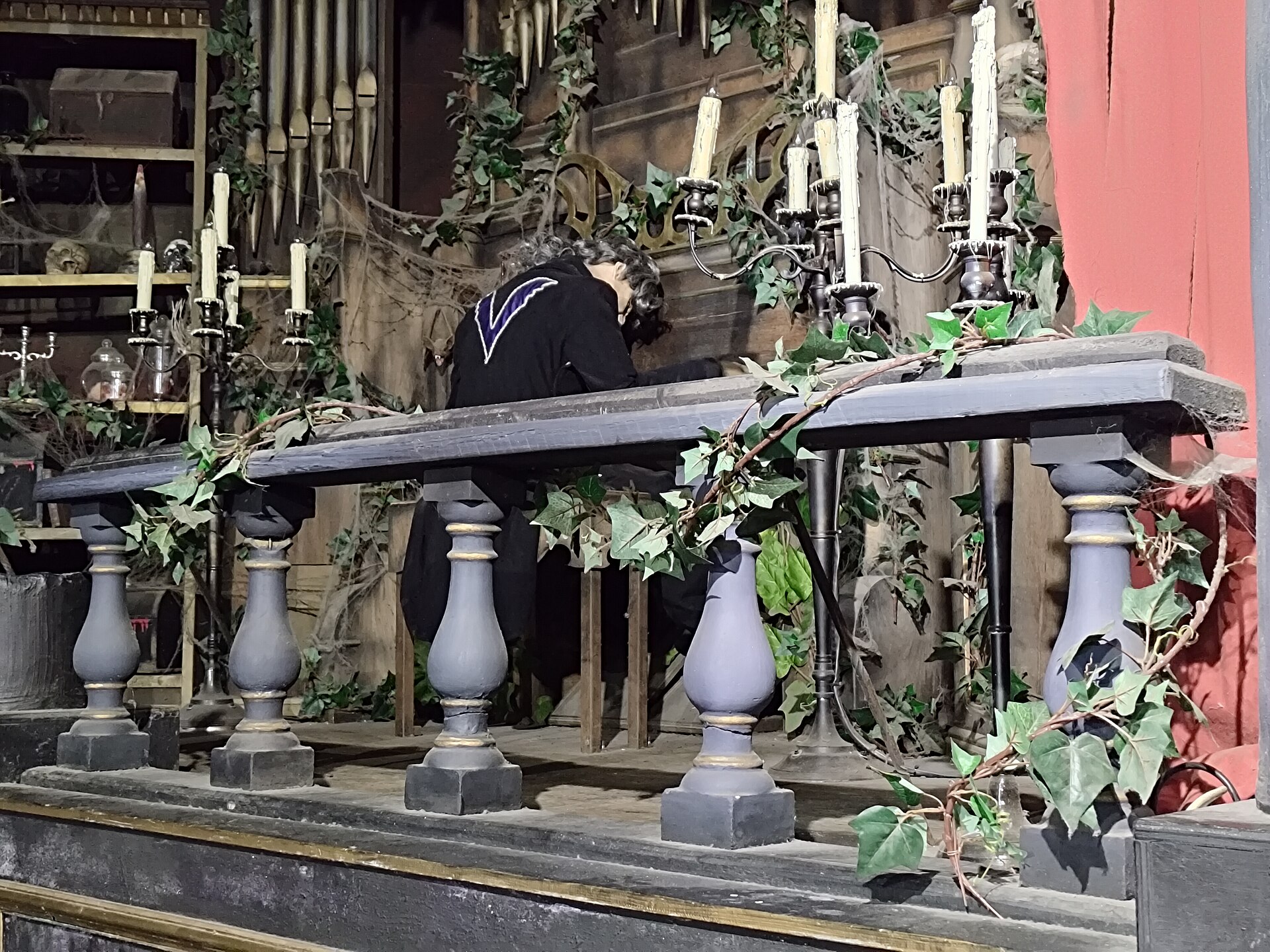
Animatronics
Practical creatures and models — built by hand, at great cost.
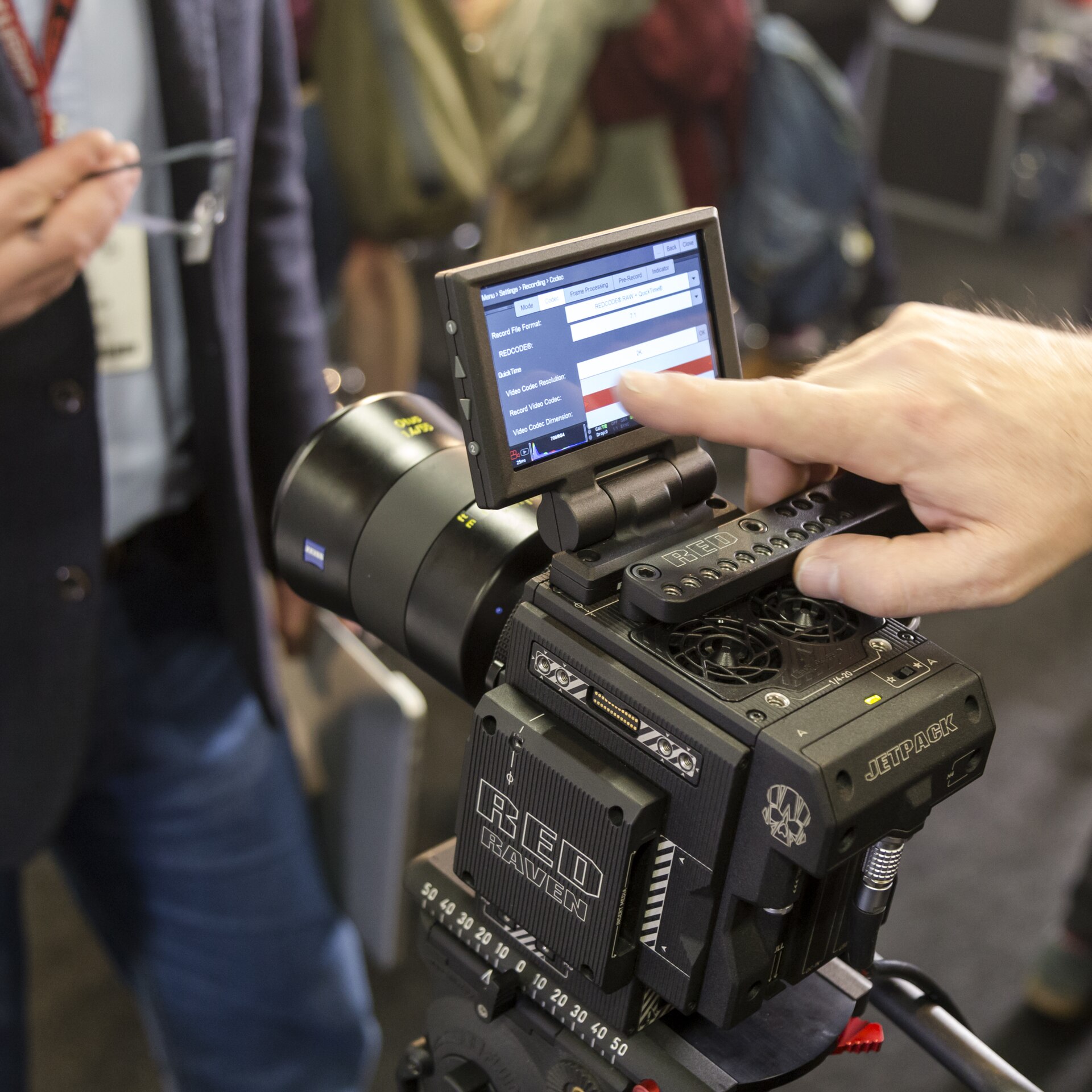
Digital
Cameras became computers.
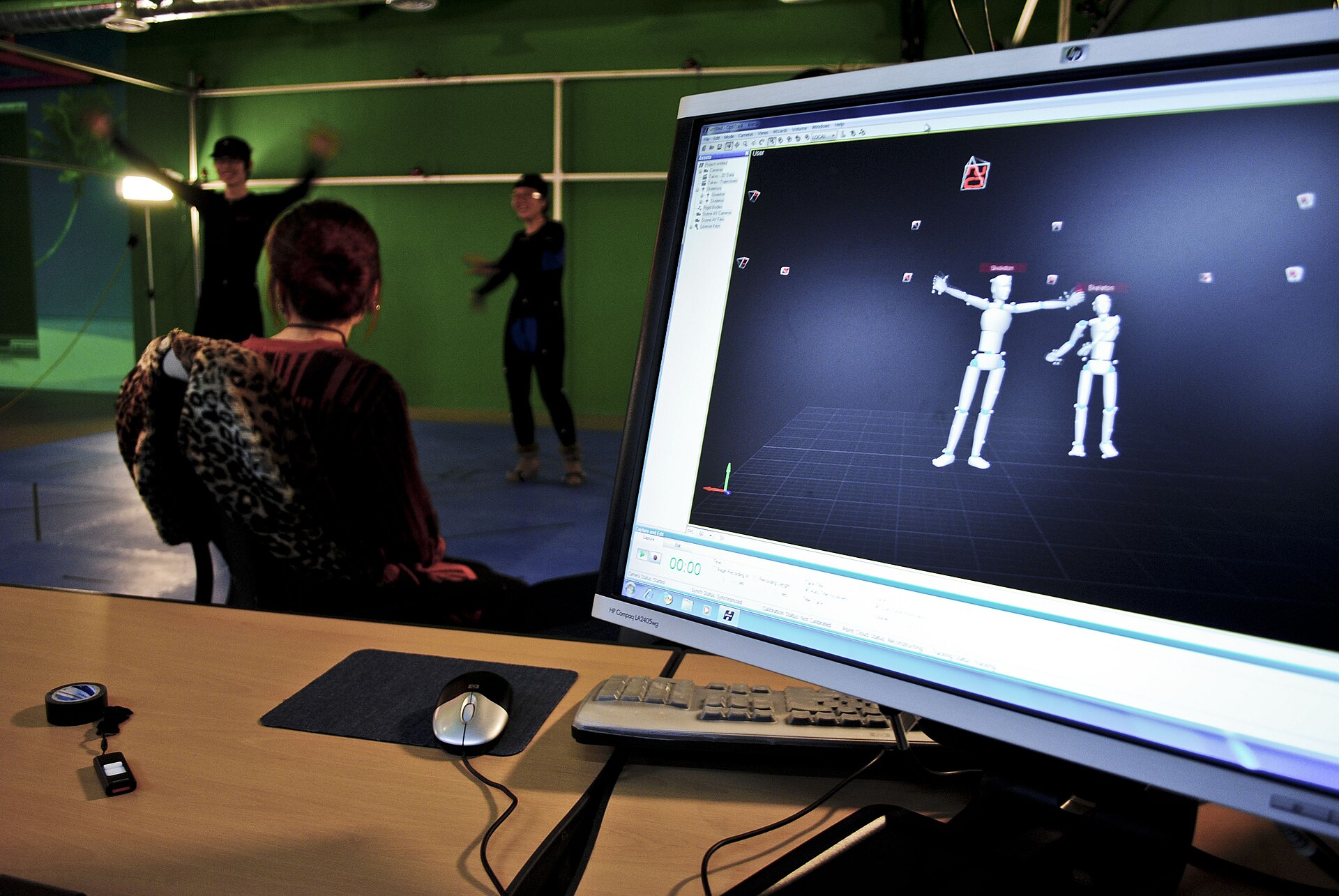
CG
Worlds built pixel by pixel — by big teams.
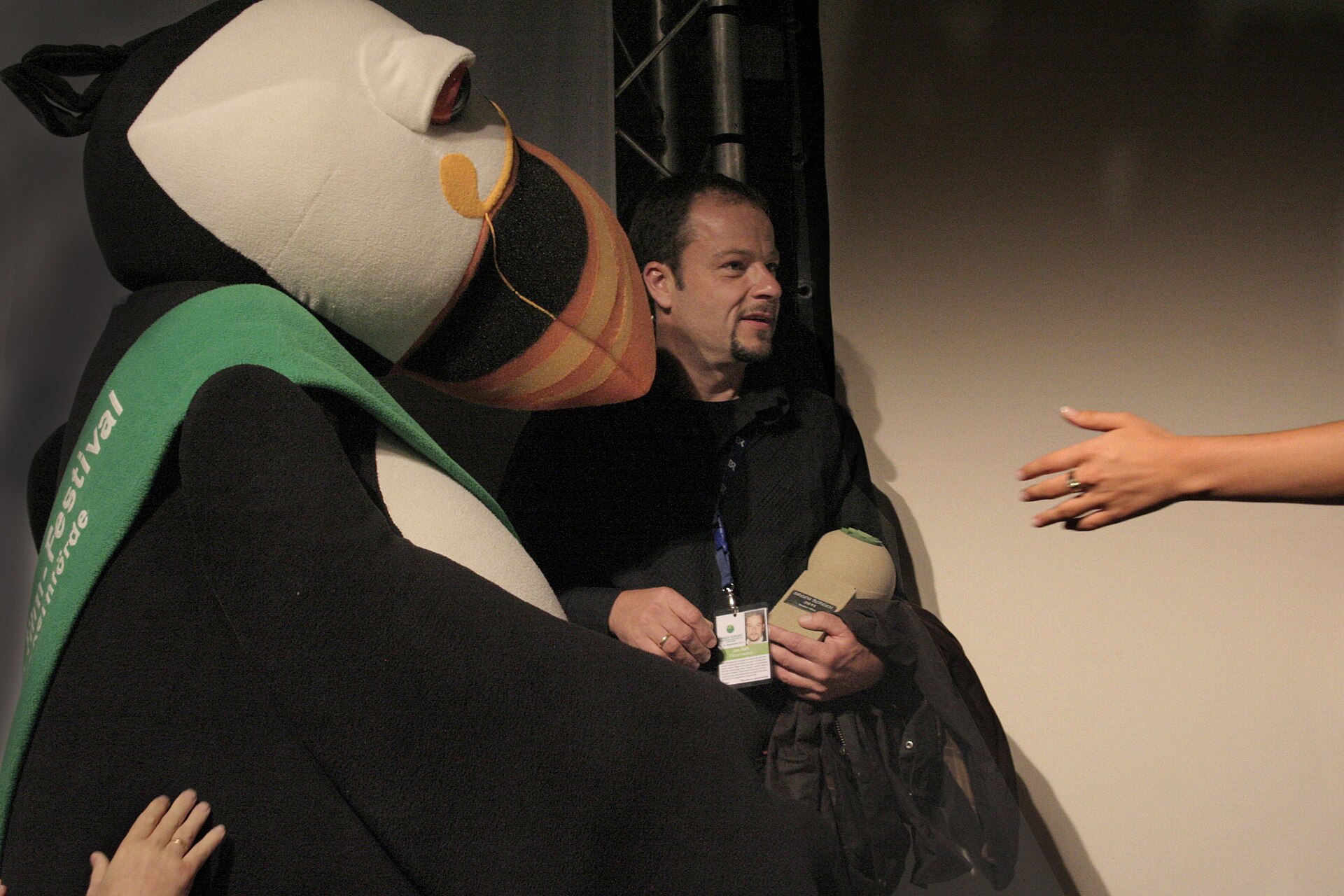
Green screen
Actors imagine the world around them.
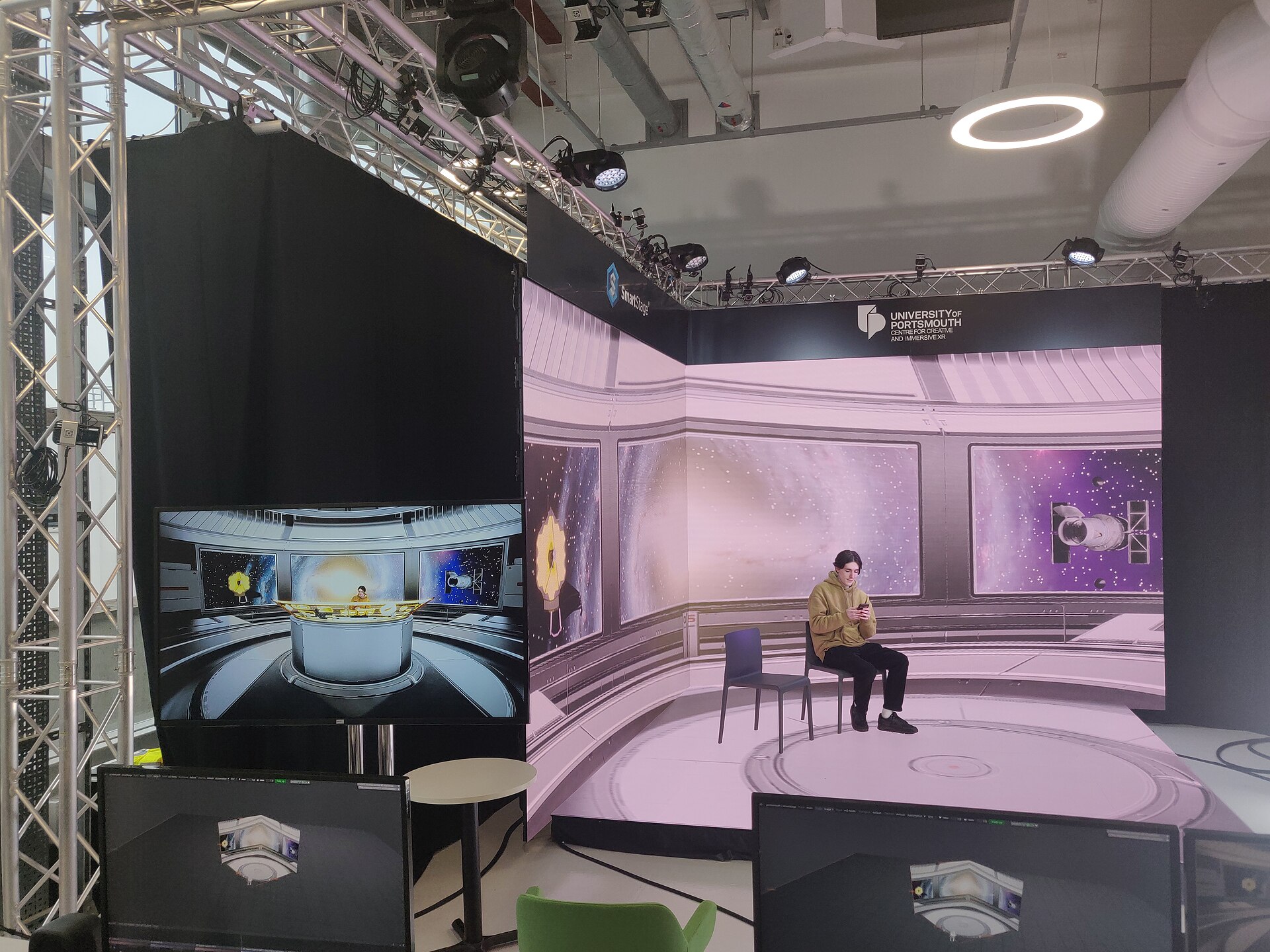
LED volumes
Real-time worlds — at tens of thousands a day.
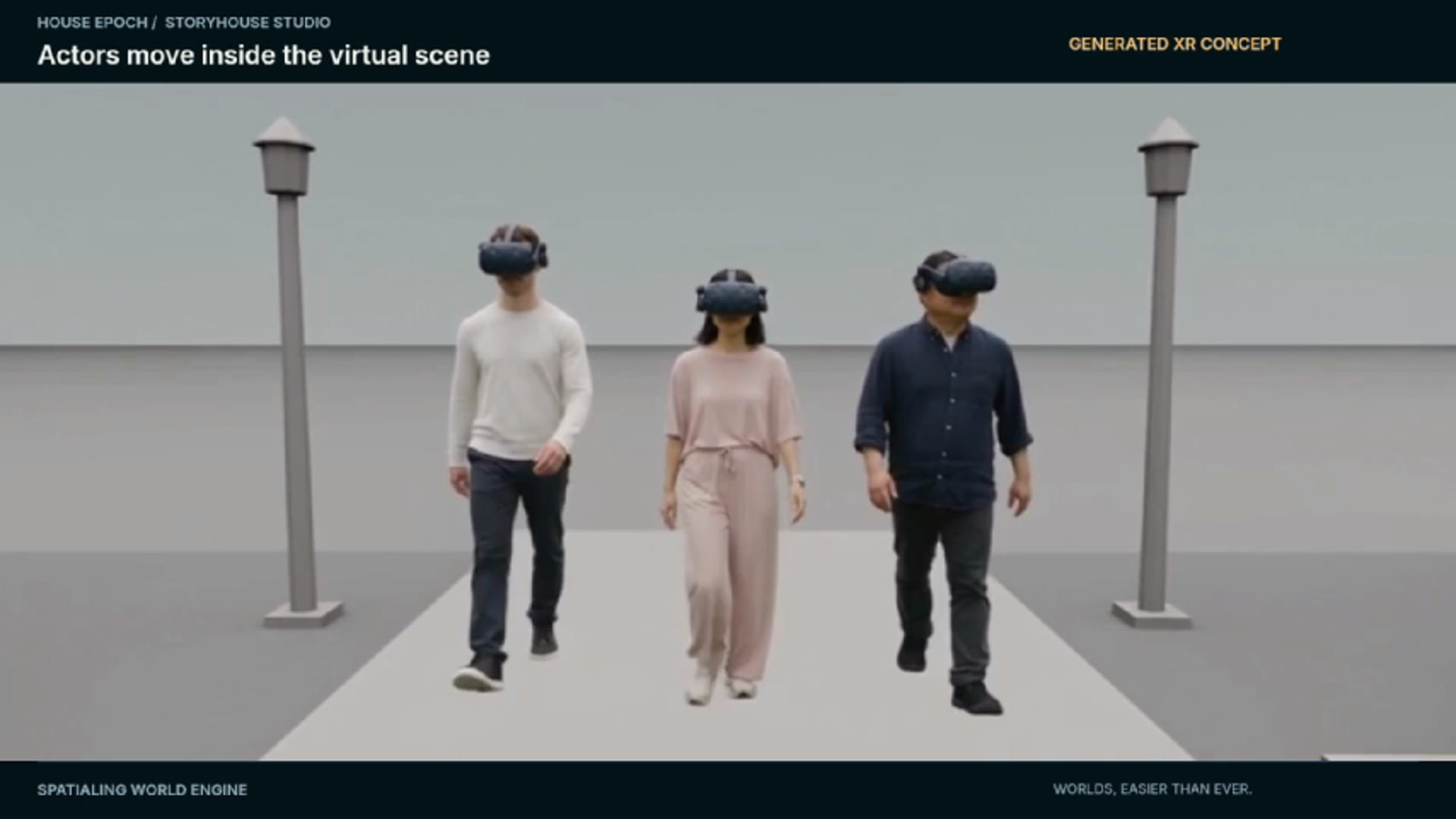
Storyhouse
Describe the world. Step inside it. Film it.
What Storyhouse solves
The world is the expensive part. We made it the easy part.
Affordability
Cut the cost.
Equipped LED stages often run tens of thousands of dollars a day. Storyhouse runs on modest, off-the-shelf gear.
Accessibility
Same-day worlds.
Prompt a basic environment in the morning. Perform inside it in VR that afternoon.
Capability
Use what's already around you.
An XR-enabled phone can track and operate inside our worlds. Anyone with a headset can step in.
Real side by side · working today
Same shot. A different world.
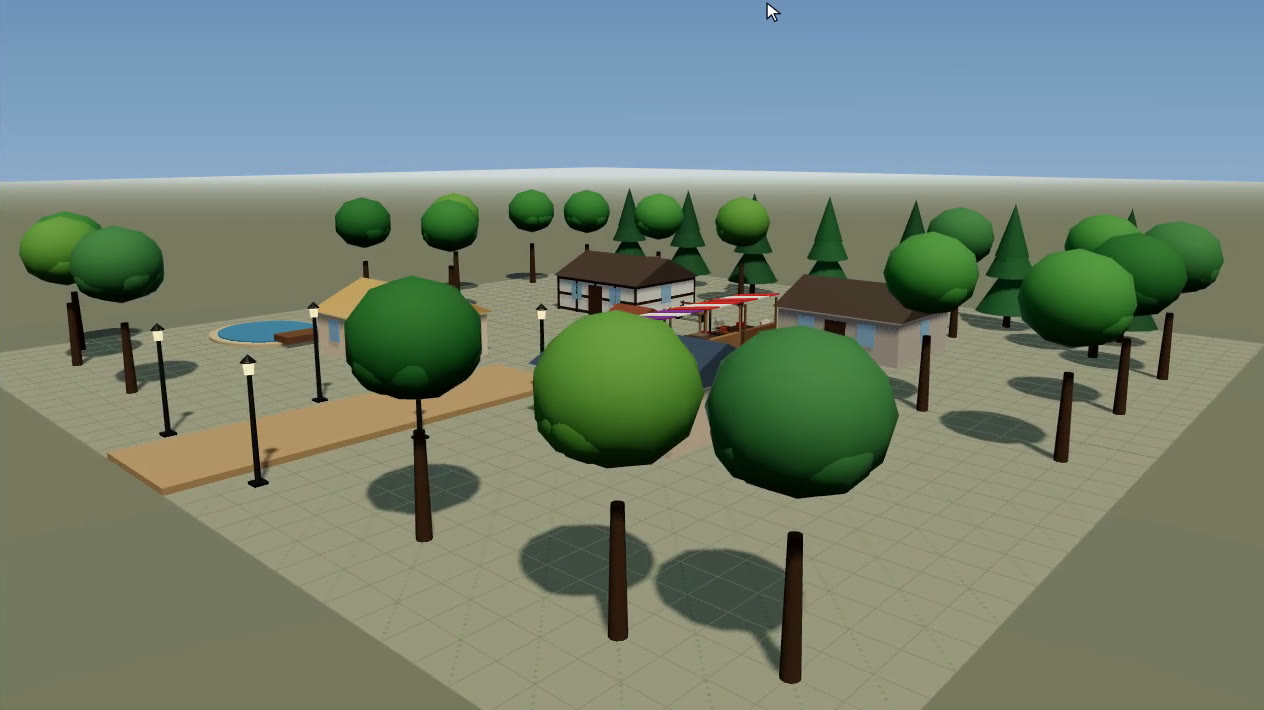
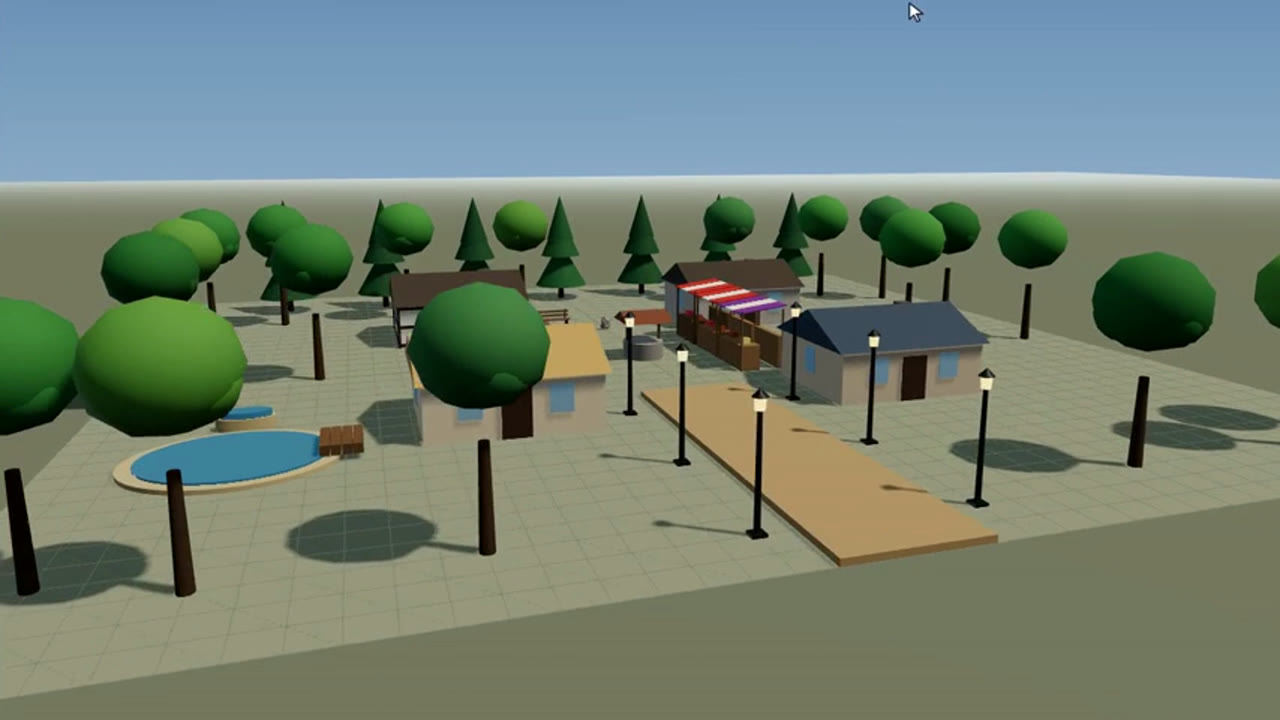
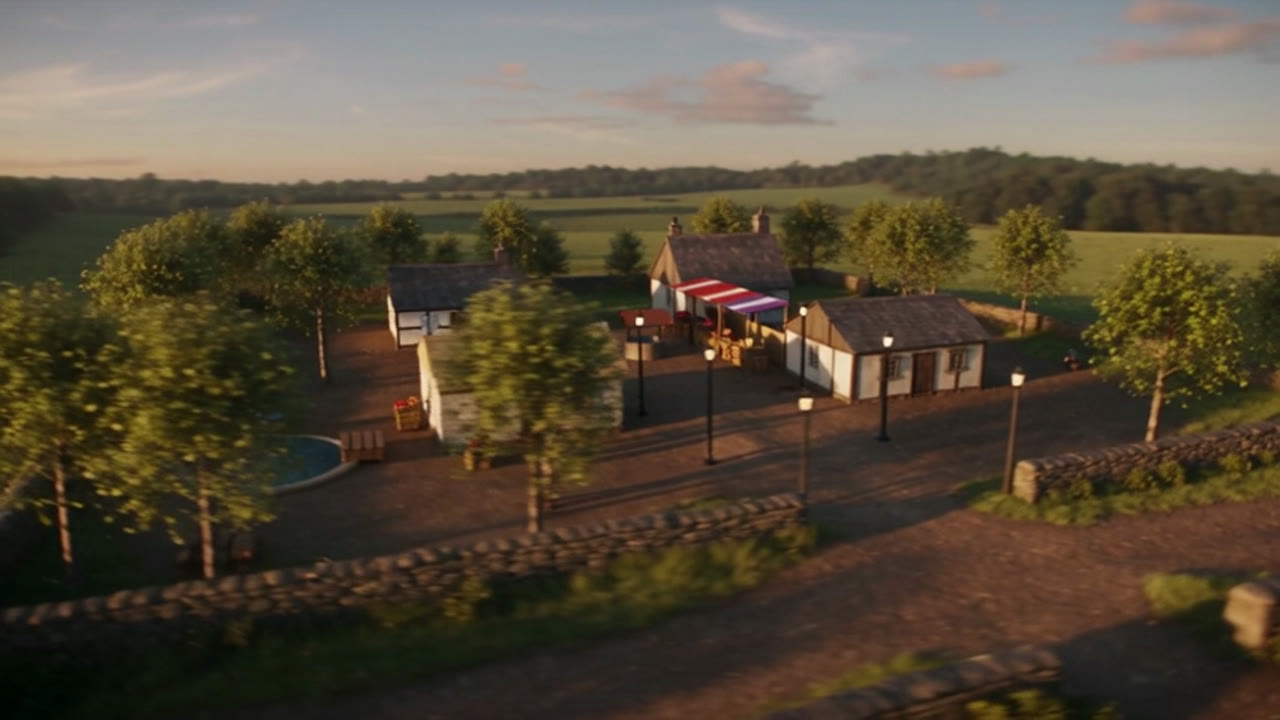
Left: a moving shot recorded inside our 3D world. Right: the same shot, finished by AI. Drag to compare.
How it works
Describe. Perform. Finish.
Describe
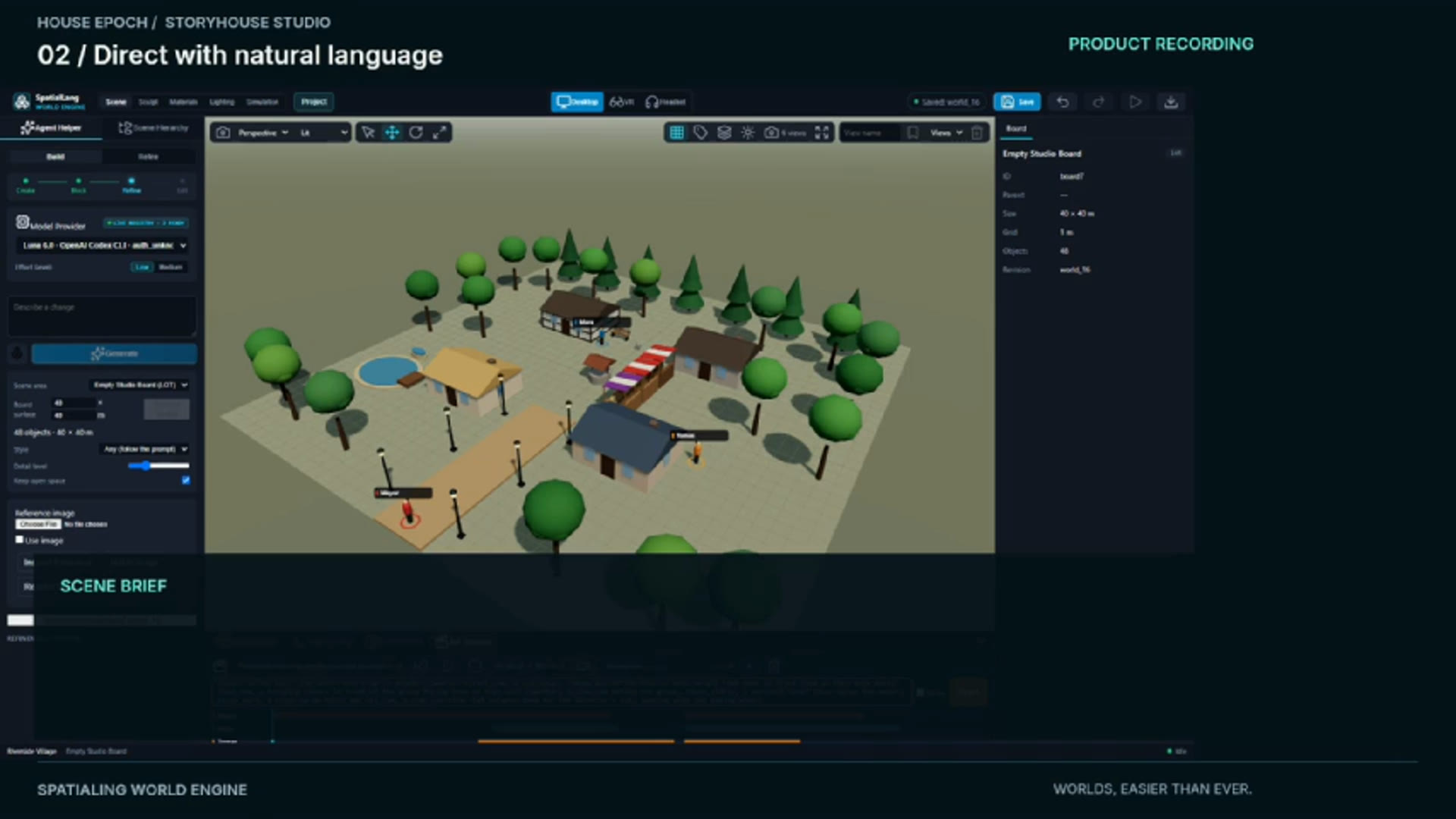
Write the scene in plain words. "Small shop interior: doorway, counter, two steps, clear actor path."
Gray box
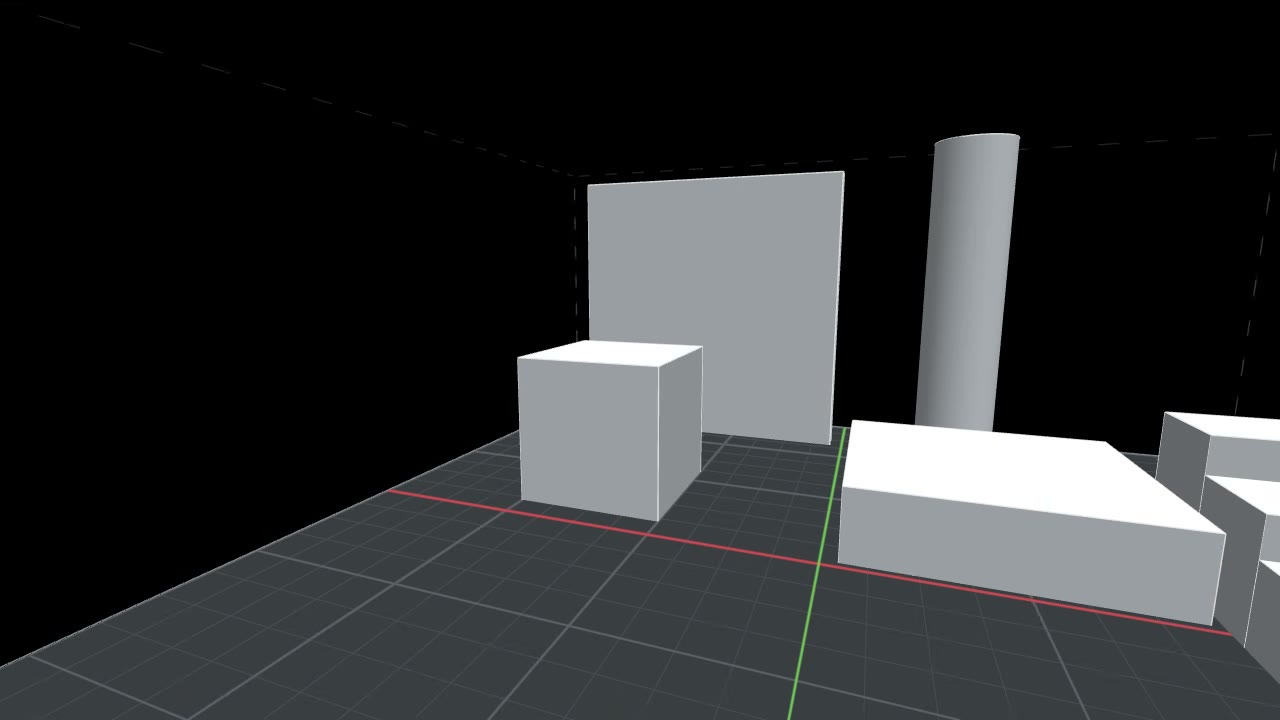
SpatialLang builds an editable 3D layout with real scale — objects, bounds and an actor path.
Perform
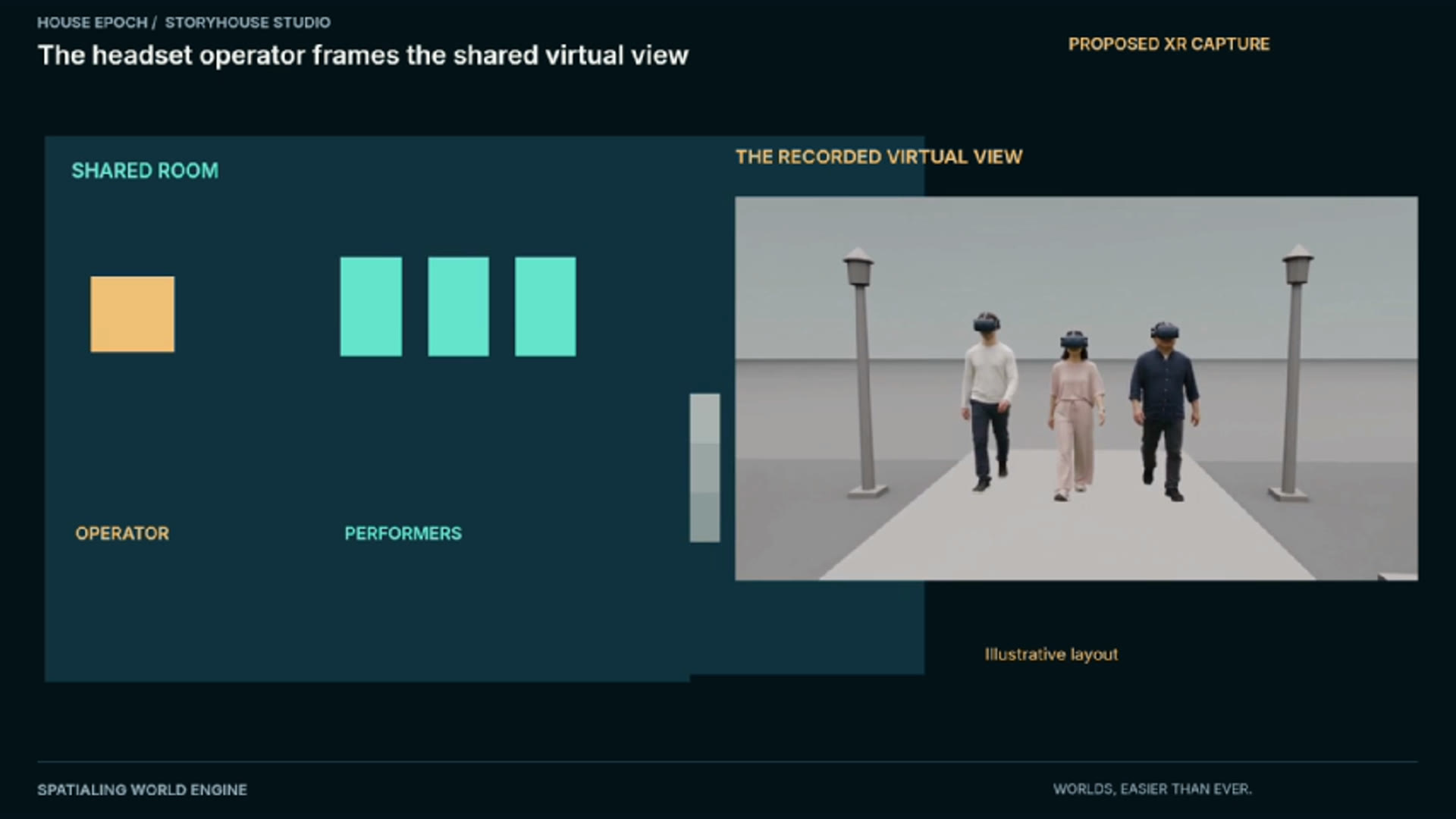
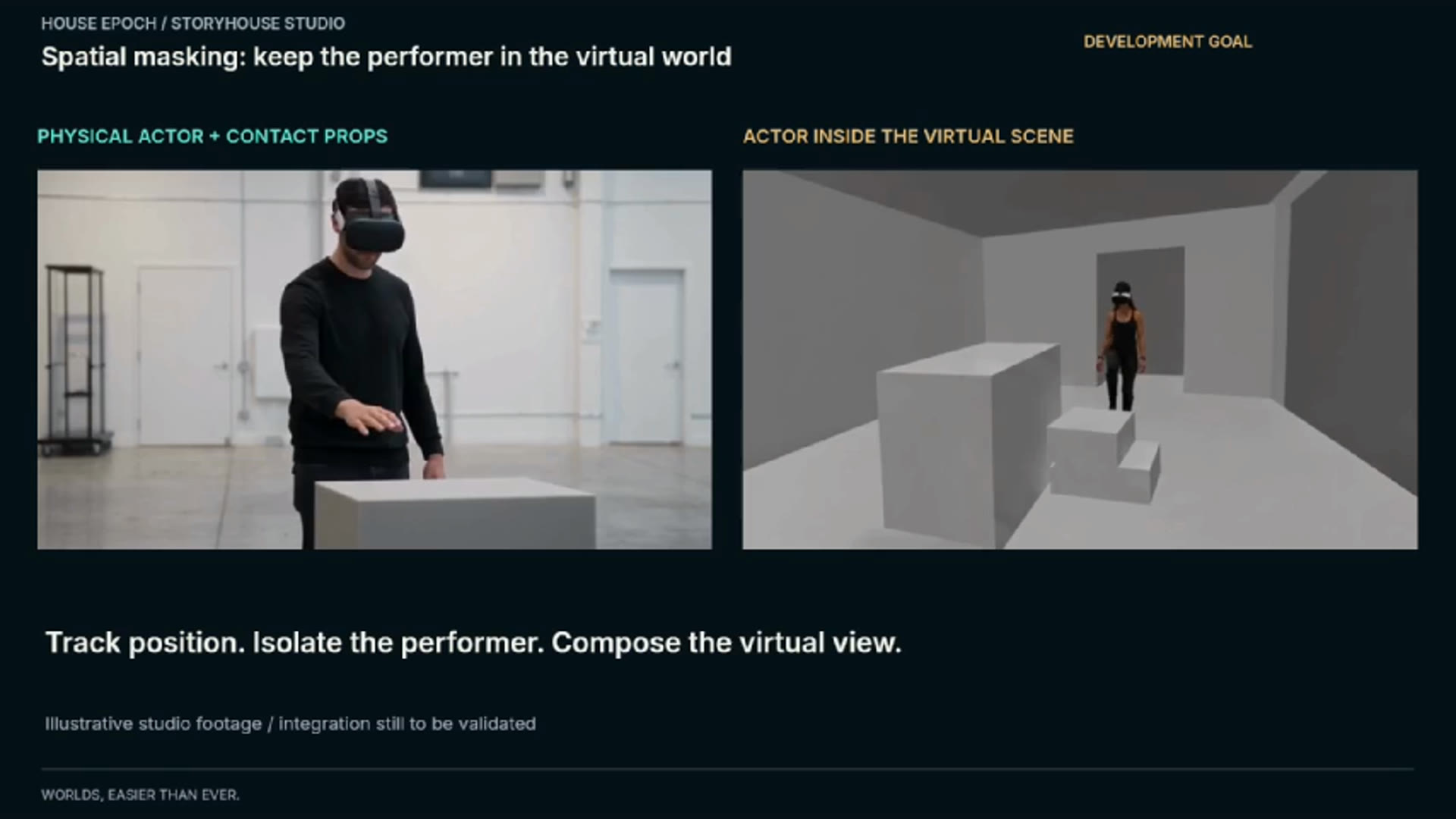
Actors step into the world in VR. Foam blocks match the table, the step, the wall.
Capture
Camera, body and timing are recorded together. The actor is masked live in 3D.
Voice + face
Dialogue and expression are captured clean for the final pass.
AI finish
The same shot is finished in cinematic quality — the world, the cast, the light.
Captured in VR · working today
Real actors. Any world.
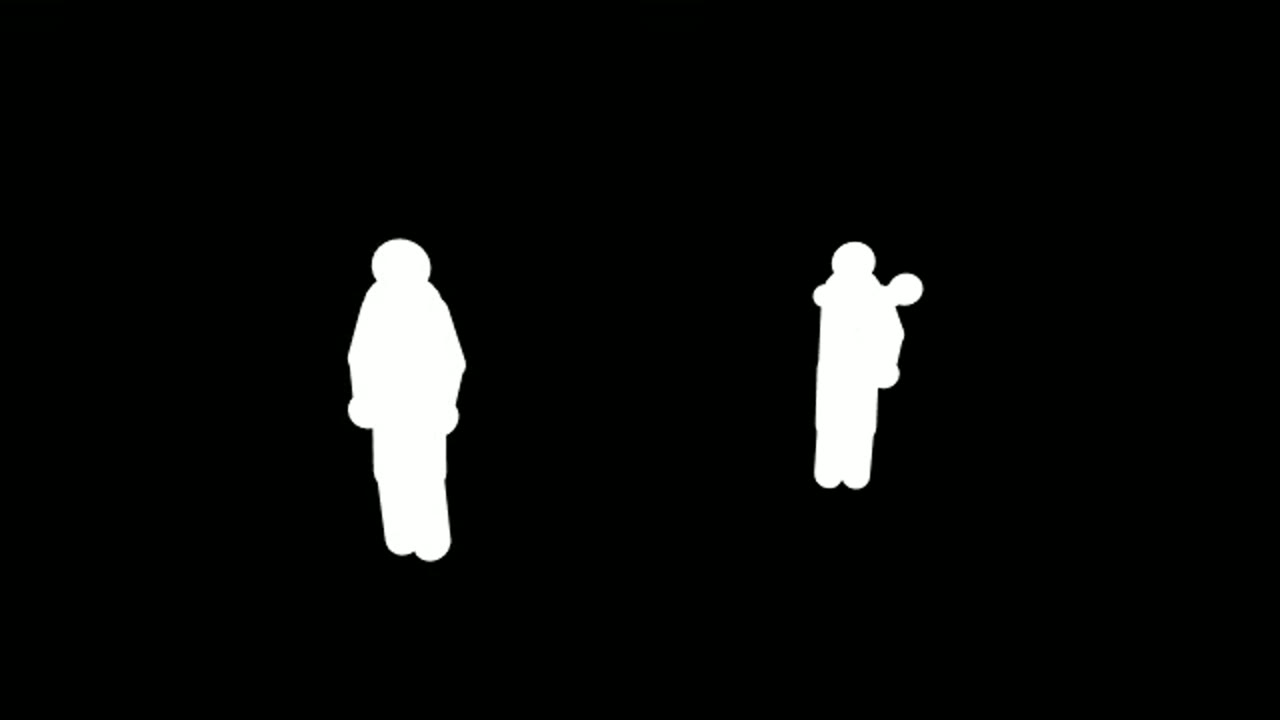
Live 3D masking separates the performer from the room, so the same take can be dropped into any world we build.
01
Headset camera
What the XR camera sees, live.
02
Actor matte
The performer is separated from the room.
03
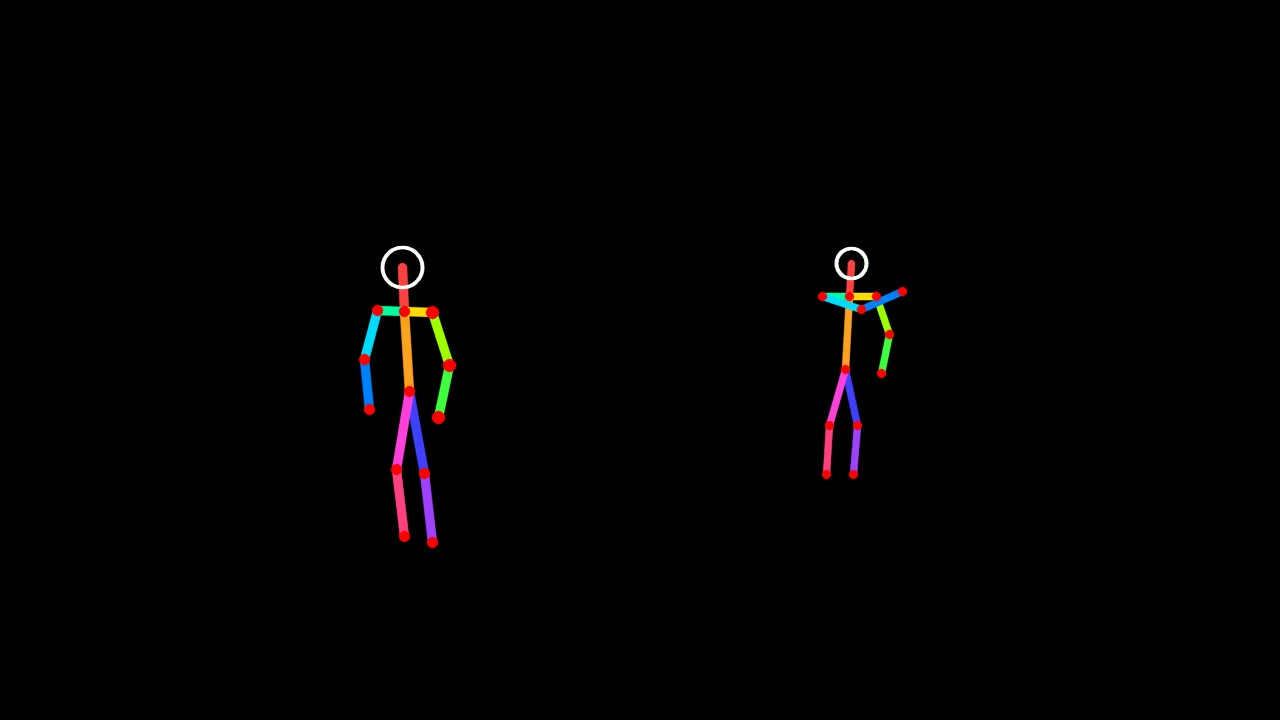
Tracked pose
Body tracking keeps timing and contact aligned.
The house
Every room is a tool.
Storyhouse is one house with five rooms. Each room is a complete tool you can use on its own — or run them together, from story to finished film.
Inside the house
Use one on its own. Run the whole pipeline.
Any kind of production
Fully virtual, or just the parts you can't afford.
01
Fully virtual
Every set is generated. Actors perform in VR.
02
Semi-real
Real props and foam blocks, virtual everything else.
03
Fill the gaps
Shoot what you have; generate what you can't afford.
04
Classic, upgraded
Use XR like green screen or a volume — for a fraction of the cost.
Built for independent creators and professional crews — the tools work together either way.
Honest status
What works today. What's next.
Working today
- Prompt to editable 3D worlds (SpatialLang)
- Moving shots recorded inside those worlds
- AI finish of the same shot (Village, Keep, Harbour)
- Live actor masking and pose capture in VR
- Story-to-media pipeline (Morpheus Wire)
Next to validate
- End-to-end live capture at a steady 30 FPS
- Studio fit-out at 3440 N 16th St
- Phone-as-camera tracking inside declared worlds
- One-click hand-off across every tool
The future of production
Blockbusterworlds.Withouttheblockbusterbudget.
Describe any world, step inside it and film it — from a small stage, or the room you're already in.
How we got here
Every era of film made production easier.
Celluloid
Light on film. Every frame physical.
Animatronics
Practical creatures and models — built by hand, at great cost.
Digital
Cameras became computers.
CG
Worlds built pixel by pixel — by big teams.
Green screen
Actors imagine the world around them.
LED volumes
Real-time worlds — at tens of thousands a day.
Storyhouse
Describe the world. Step inside it. Film it.
What Storyhouse solves
The world is the expensive part. We made it the easy part.
Affordability
Cut the cost.
Equipped LED stages often run tens of thousands of dollars a day. Storyhouse runs on modest, off-the-shelf gear.
Accessibility
Same-day worlds.
Prompt a basic environment in the morning. Perform inside it in VR that afternoon.
Capability
Use what's already around you.
An XR-enabled phone can track and operate inside our worlds. Anyone with a headset can step in.
Real side by side · working today
Same shot. A different world.
Our 3D world on one side, the AI-finished shot on the other. Drag the line.
How it works
Describe. Perform. Finish.
01
Describe
Write the scene in plain words. "Small shop interior: doorway, counter, two steps, clear actor path."
02
Gray box
SpatialLang builds an editable 3D layout with real scale — objects, bounds and an actor path.
03
Perform
Actors step into the world in VR. Foam blocks match the table, the step, the wall.
04
Capture
Camera, body and timing are recorded together. The actor is masked live in 3D.
05
Voice + face
Dialogue and expression are captured clean for the final pass.
06
AI finish
The same shot is finished in cinematic quality — the world, the cast, the light.
Captured in VR · working today
Real actors. Any world.
Live 3D masking separates the performer from the room.
01
Headset camera
What the XR camera sees, live.
02
Actor matte
The performer is separated from the room.
03
Tracked pose
Body tracking keeps timing and contact aligned.
The house
Every room is a tool.
One house, five rooms. Use one on its own, or run the whole pipeline.
Any kind of production
Fully virtual, or just the parts you can't afford.
01
Fully virtual
Every set is generated. Actors perform in VR.
02
Semi-real
Real props and foam blocks, virtual everything else.
03
Fill the gaps
Shoot what you have; generate what you can't afford.
04
Classic, upgraded
Use XR like green screen or a volume — for a fraction of the cost.
Honest status
What works today. What's next.
Working today
- Prompt to editable 3D worlds (SpatialLang)
- Moving shots recorded inside those worlds
- AI finish of the same shot (Village, Keep, Harbour)
- Live actor masking and pose capture in VR
- Story-to-media pipeline (Morpheus Wire)
Next to validate
- End-to-end live capture at a steady 30 FPS
- Studio fit-out at 3440 N 16th St
- Phone-as-camera tracking inside declared worlds
- One-click hand-off across every tool
The future of production
Blockbusterworlds.Withouttheblockbusterbudget.
Describe any world, step inside it and film it — from a small stage, or the room you're already in.
How we got here
Every era of film made production easier.
Celluloid
Light on film. Every frame physical.
Animatronics
Practical creatures and models — built by hand, at great cost.
Digital
Cameras became computers.
CG
Worlds built pixel by pixel — by big teams.
Green screen
Actors imagine the world around them.
LED volumes
Real-time worlds — at tens of thousands a day.
Storyhouse
Describe the world. Step inside it. Film it.
What Storyhouse solves
The world is the expensive part. We made it the easy part.
Affordability
Cut the cost.
Equipped LED stages often run tens of thousands of dollars a day. Storyhouse runs on modest, off-the-shelf gear.
Accessibility
Same-day worlds.
Prompt a basic environment in the morning. Perform inside it in VR that afternoon.
Capability
Use what's already around you.
An XR-enabled phone can track and operate inside our worlds. Anyone with a headset can step in.
Real side by side · working today
Same shot. A different world.
Our 3D world on one side, the AI-finished shot on the other. Drag the line.
How it works
Describe. Perform. Finish.
01
Describe
Write the scene in plain words. "Small shop interior: doorway, counter, two steps, clear actor path."
02
Gray box
SpatialLang builds an editable 3D layout with real scale — objects, bounds and an actor path.
03
Perform
Actors step into the world in VR. Foam blocks match the table, the step, the wall.
04
Capture
Camera, body and timing are recorded together. The actor is masked live in 3D.
05
Voice + face
Dialogue and expression are captured clean for the final pass.
06
AI finish
The same shot is finished in cinematic quality — the world, the cast, the light.
Captured in VR · working today
Real actors. Any world.
Live 3D masking separates the performer from the room.
The house
Every room is a tool.
One house, five rooms. Use one on its own, or run the whole pipeline.
Any kind of production
Fully virtual, or just the parts you can't afford.
01
Fully virtual
Every set is generated. Actors perform in VR.
02
Semi-real
Real props and foam blocks, virtual everything else.
03
Fill the gaps
Shoot what you have; generate what you can't afford.
04
Classic, upgraded
Use XR like green screen or a volume — for a fraction of the cost.
Honest status
What works today. What's next.
Working today
- Prompt to editable 3D worlds (SpatialLang)
- Moving shots recorded inside those worlds
- AI finish of the same shot (Village, Keep, Harbour)
- Live actor masking and pose capture in VR
- Story-to-media pipeline (Morpheus Wire)
Next to validate
- End-to-end live capture at a steady 30 FPS
- Studio fit-out at 3440 N 16th St
- Phone-as-camera tracking inside declared worlds
- One-click hand-off across every tool